Barnaby Wainfan
aerodynamicist & vehicle designer
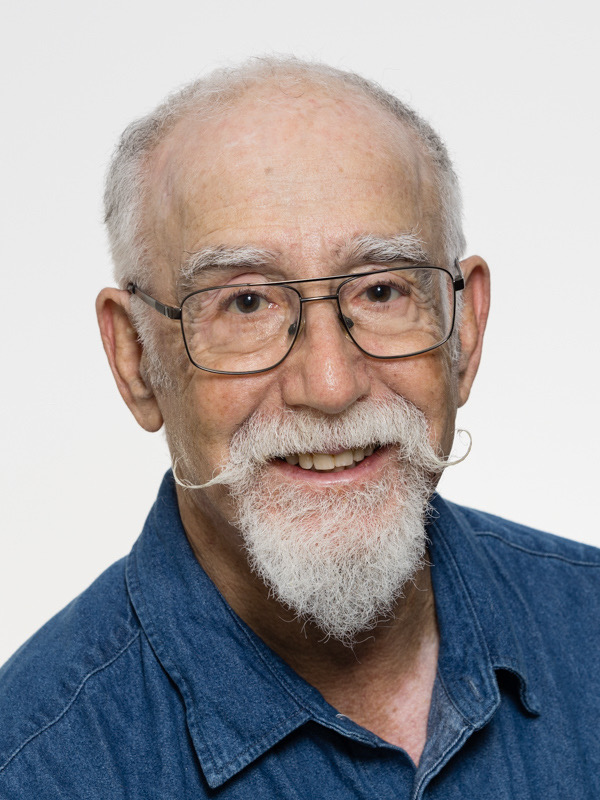
My fascination with designing aircraft began when I was very young, building my own designs for control line and free flight competitions. That obsession became a 45-year career at Northrop Grumman and beyond, spanning the full range of aerodynamic design. I hold 16 U.S. patents and have contributed to more than 31 successful flying aircraft.
On the personal aircraft side, I designed and built the FMX-4 Facetmobile — a stall-resistant lifting-body airplane that won the 1994 EAA Award for Innovative Design — and have contributed aerodynamic designs to aircraft including the Rihn DR-107 & DR-109 aerobatic airplanes and the Kolb Mark III Xtra.
As Chief of Aerodynamics for Edison2, I designed the body of the Very Light Car — the most energy-efficient highway-capable vehicle in history and winner of the Progressive Insurance Automotive X Prize. I’ve also worked on the Audi R10 LMP1 race car and Craig Breedlove’s Spirit of America 3 land speed record vehicle.
My current personal project is the Batray — a low-aspect-ratio all-lifting aircraft I’m designing and building from scratch. I document its development in my newsletter and on my YouTube channel.
Press biography
Barnaby S. Wainfan is Technical Fellow for Aerodynamics Design and Analysis at Northrop Grumman Aerospace Systems. He has also served as an adjunct professor in the Department of Aerospace Engineering at the University of Michigan, Ann Arbor and as a Visiting Scientist at Caltech.
Wainfan has extensive experience in vehicle design and configuration integration, with a background in the aerodynamics of airplanes, missiles, ground vehicles, and watercraft, as well as expertise in innovative wing design, transonic aerodynamics, high-lift systems, and general aviation. He holds 16 U.S. patents spanning aerospace and automotive design and has participated in the design of more than 31 successful aircraft.
As Chief of Aerodynamics for Edison2, he was responsible for the aerodynamic design of the Edison2 Very Light Car, which won the Progressive Insurance Automotive X Prize, achieving in excess of 125 miles per gallon in on-the-road testing.
Wainfan has been involved in all phases of project management from conception through flight-testing, and has consulted for a wide range of vehicle and aviation projects.
Wainfan earned his M.S. in Aerospace Engineering from the University of Michigan (1978) and a B.S. in Mechanical and Aerospace Engineering from Cornell University (1977).
Selected Works
Consulting
I take on consulting engagements in aerodynamics and vehicle design across a wide range of disciplines and platforms. Areas of expertise include:
- Aircraft aerodynamics — general aviation, homebuilts, military platforms, high-performance and experimental configurations
- Unmanned systems — UAV and UCAS aerodynamic design, analysis, and testing
- Ground vehicle aerodynamics — race cars, land-speed vehicles, production vehicle drag reduction
- Marine aerodynamics and hydrodynamics — hydrofoil sailboats, fast ferry hull forms, performance watercraft
- Wind tunnel testing — test planning, setup, execution, and data analysis
- Expert witness services — aviation and aerodynamics matters for nationally recognized law firms
Full CV available here. If you have an aerodynamics or vehicle-design challenge, I'd like to hear about it — get in touch.
↑ Back to topThe Batray Project
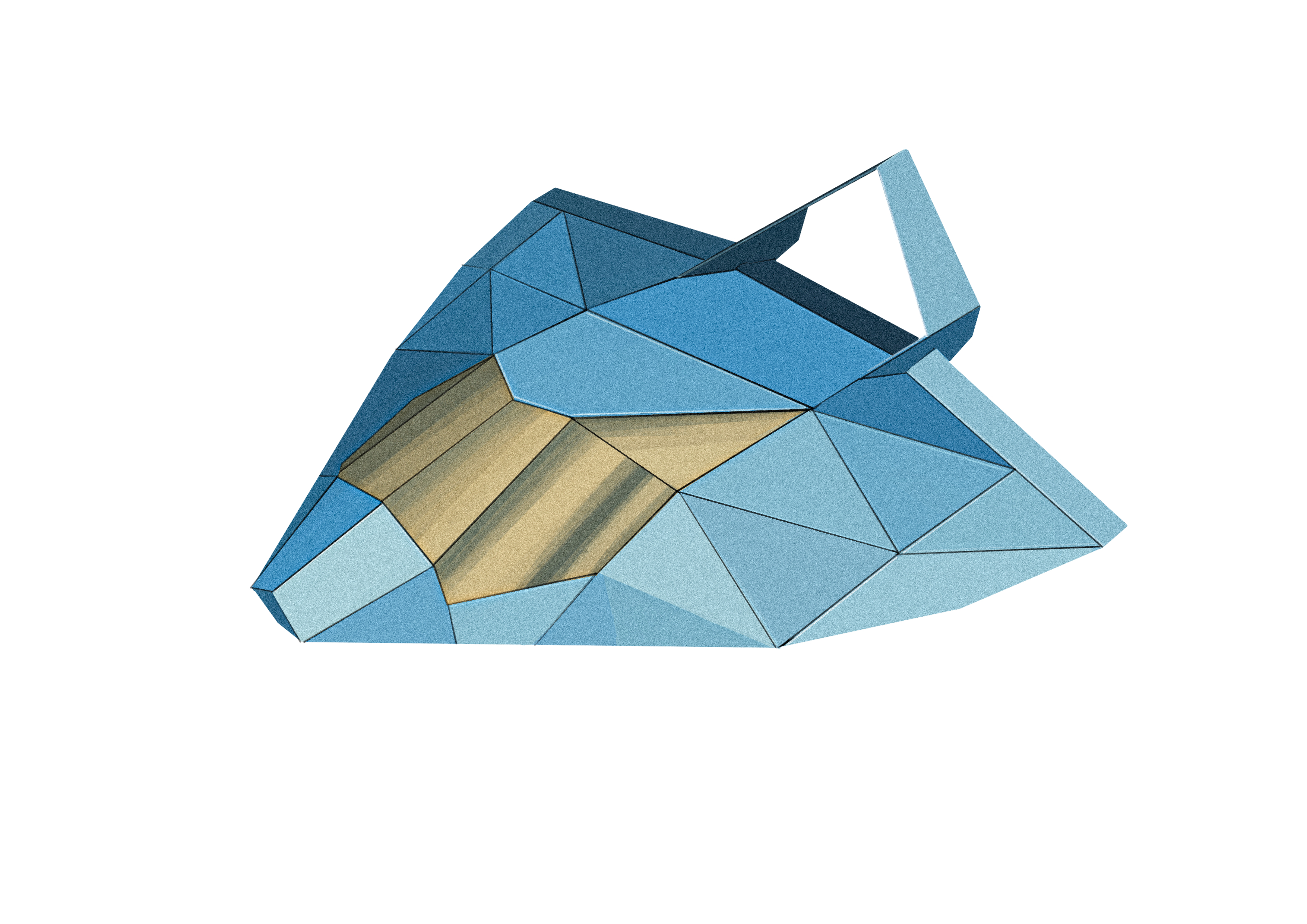
The Batray is my current personal aircraft design — a low-aspect-ratio all-lifting aircraft that builds on the aerodynamic research and practical lessons of the Facetmobile, carried forward with modern design tools, construction techniques, and propulsion options.
The low-aspect-ratio all-lifting configuration offers fundamental advantages for a personal aircraft: high structural efficiency, inherent stall resistance, excellent visibility, and outstanding payload fraction. The Facetmobile demonstrated these properties convincingly over years of flying. The Batray is the next step: a practical two-seat design developed using the full toolkit of modern aerodynamic analysis, aimed at producing a genuinely efficient, safe, and enjoyable personal aircraft.
I document the Batray's development in detail in my Substack newsletter — design decisions, analysis results, build progress, and broader articles on aerodynamics. My recent talks at EAA AirVenture Oshkosh lay out the aerodynamic case for the configuration; you'll find them on my YouTube channel.
 ↑ Back to top
Talks and Publications
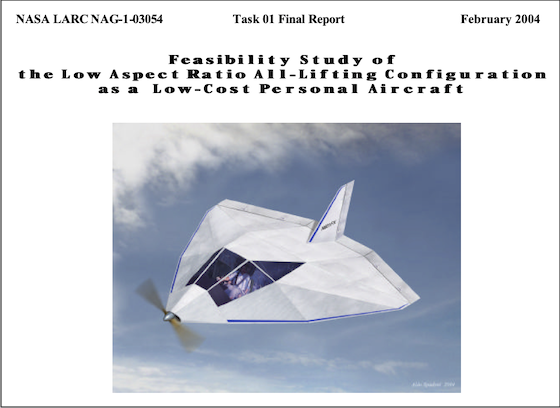
NASA Report:
AvBrief.com Articles

I now write articles about aero topics at AvBrief for the "Experimental Aviator".
My first two articles for AvBrief:
KITPLANES Magazine Articles:

I wrote monthly articles for KITPLANES for over 38 years. My association with KITPLANES has unfortunately ended as a result of the actions of the new owners of the magazine.
My last “Wind Tunnel” article appeared in the Sept, 2025 issue.
For more of the story see this issue of my newsletter: A New Home For My Writing and a Batray Update
How to Really Design an Airplane: Airventure Oshkosh 2026
The Case for Low Aspect Ratio Sport Aircraft: EAA Airventure Oshkosh 2026
The Seven Deadly Sins of Airplane Design - 2020
Secrets of Winning System Design (at Reykjavík University) - 2019
The Experimental Aircraft Association's "EAA Radio" Interviews
For one week each year, a dedicated group of EAA volunteers broadcast live from a one-of-a-kind radio station at the site of the World's Greatest Aviation Celebration®, AirVenture Oshkosh.
- 2026 — Digital Dave and Fast Eddie talk all things general aviation with Barnaby Wainfan.
- 2024 — Digital Dave and Fast Eddie talk with Barnaby Wainfan about general aviation and his Facetmobile.
- 2023 — Digital Dave and Fast Eddie talk with Barnaby Wainfan about his forum "How to Really Design an Airplane".
Earlier interviews (2022–2008)
- 2022 — Digital Dave and Fast Eddie talk with Barnaby Wainfan about his new project the Batray.
- 2021 — Digital Dave and Fast Eddie sit down with Barnaby Wainfan to discuss aviation and aviation mechanics.
- 2019 — Digital Dave and Fast Eddie talk with Barnaby Wainfan about his years in aviation.
- 2018 — Digital Dave and Fast Eddie talk to Barnaby Wainfan about general aviation.
- 2017 — Barnaby Wainfan talks about homebuilt projects being studied by NASA and some of the quantanium data he gathered from them with Digital Dave and Fast Eddie.
- 2016 — Dave and Eddie talk to Barnaby Wainfan, a fountain of aviation knowledge.
- 2015 — Barnaby talks about technology advancements in aircraft homebuilding.
- 2014 — Digital Dave and Fast Eddie talk to Barnaby Wainfan about electric aircraft and STOHL.
- 2011 — Barnaby Wainfan discusses general aviation.
- 2010 — Barnaby Wainfan: the Edison2 Automotive X-Prize Winner.
- 2009 — Barnaby Wainfan, Aircraft Design Guru.
- 2008 — Barnaby Wainfan, Aircraft Engineer.
Hour 25 Radio
Hour 25 was a radio program focusing on science fiction, fantasy, and science. It was broadcast weekly on Pacifica radio station KPFK in Southern California from 1972 to 2000. In its heyday, Hour 25 featured numerous interviews with famous authors of science fiction and fantasy, in addition to luminaries of the scientific community.
Hour 25 Interview of Barnaby Wainfan — Show notesOn Tuesday - July 30th, 2002 - our guest was aeronautical engineer extrordinaire Barnaby Wainfan discussing the creative process behind engineering. Along the way we talked about the relationship between science fiction and real science, the connection between art and engineering and listened to some of his songs about love, death and the laws of Physics.
Book
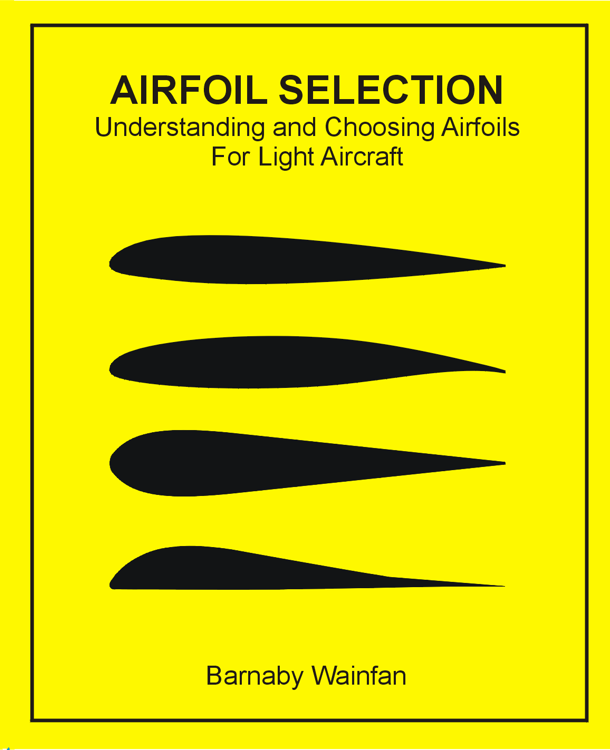
My collected articles on airfoils (originally published in KITPLANES magazine) are compiled in book form, with supplemental material added. As of 2026 this book is out of print.
Selected Works
The Facetmobile (FMX-4)
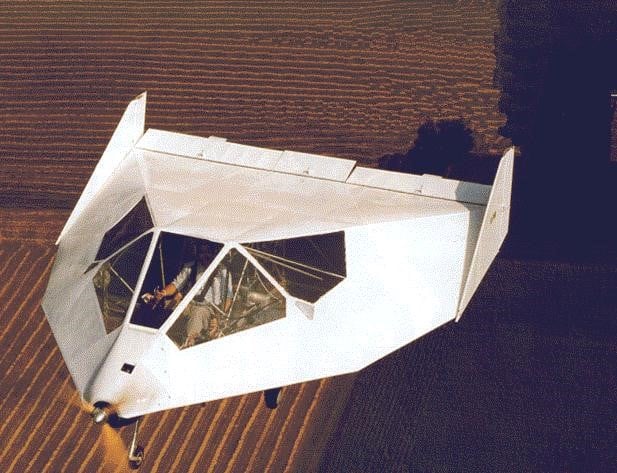
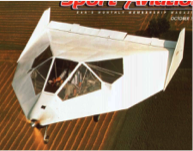
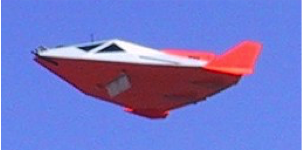
The Facetmobile (FMX-4) is an experimental lifting-body airplane I built to explore what I think a sport airplane should be.
I wanted an airplane that was simple and inexpensive to build, safe and fun to fly, and had performance as good or better than a conventional airplane. The FMX-4 flight test program demonstrated that the faceted lifting-body configuration of Facetmobile provides all of this.
The airplane has benign flying qualities and is easy and fun to fly.
Its most remarkable characteristic is that it is highly stall resistant. Even with the stick held fully back, the airplane remains fully controllable and has no tendency to roll-off or spin. This is a major advance in safety since it virtually eliminates the possibility of a stall/spin accident.
The primary structure is composed entirely of straight tubes. Building the airplane required no special tooling, and the parts count for the airframe is less than half of that of a conventional airplane.
The Facetmobile exceeded 100 mph in level flight on only 46 horsepower and could carry its own empty weight in useful load.
In 1994, the Facetmobile won the special Award for Innovative Design at the EAA Airventure convention.
Read more about the Facetmobile on Wikipedia
N117WD Specifications:
- Length: 19 ft. 6 in.
- Span: 15 ft.
- Empty Weight: 370 lb.
- Fuel (normal): 10 gal.
- Fuel (with aux): 19 gal.
- Gross Weight (normal): 620 lb.
- Gross Weight (max): 740 lb.
- Structure: 6061-T6 Aluminum tube
- Covering: 1.6 oz Stits fabric
- Engine: Rotax 503DC
Performance:
- Maximum Speed: 110 mph.
- Cruise Speed: 90 mph.
- Stall: no stall; stable mush.
- Min. Speed: Less than 30 mph.
- Rate of Climb: 750 ft/min.
Talon Topper
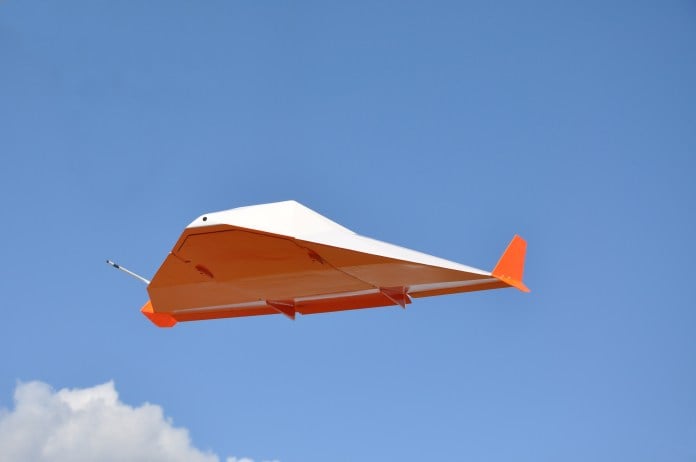
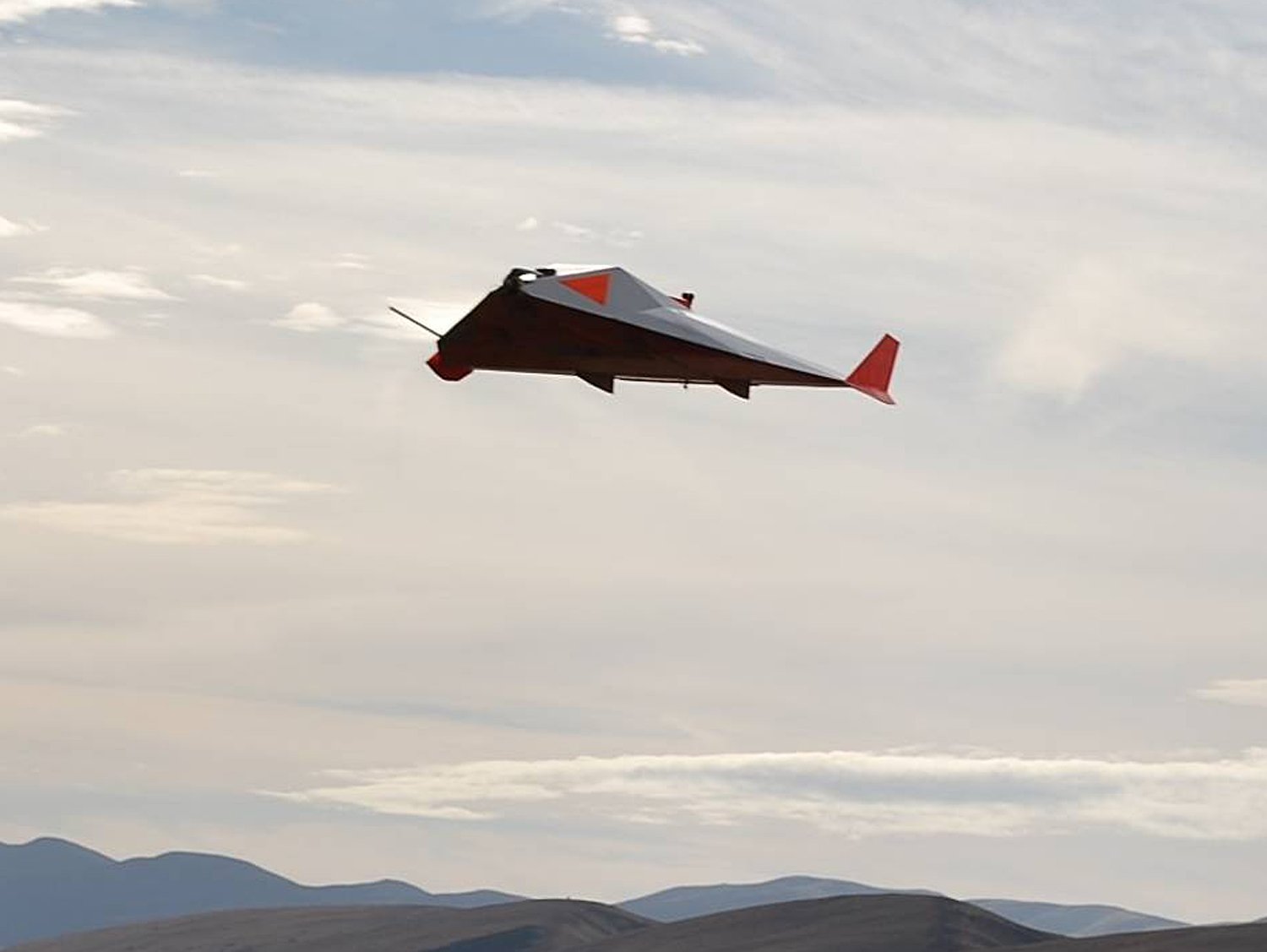
Talon Topper was originally developed as a demonstrator for the US Army to bring electronic payloads back from high-altitude balloons. More recently, vehicles have been operated for NASA as research aircraft and called the "High Altitude Shuttle System." The configuration is a scaled-down version of a design for a 2-seat follow-on to the Facetmobile, designated FMX-5.
Learn more at Aerostar Tillamook (formerly Nearspace Corporation)
↑ Back to topLightbeam Ultralight
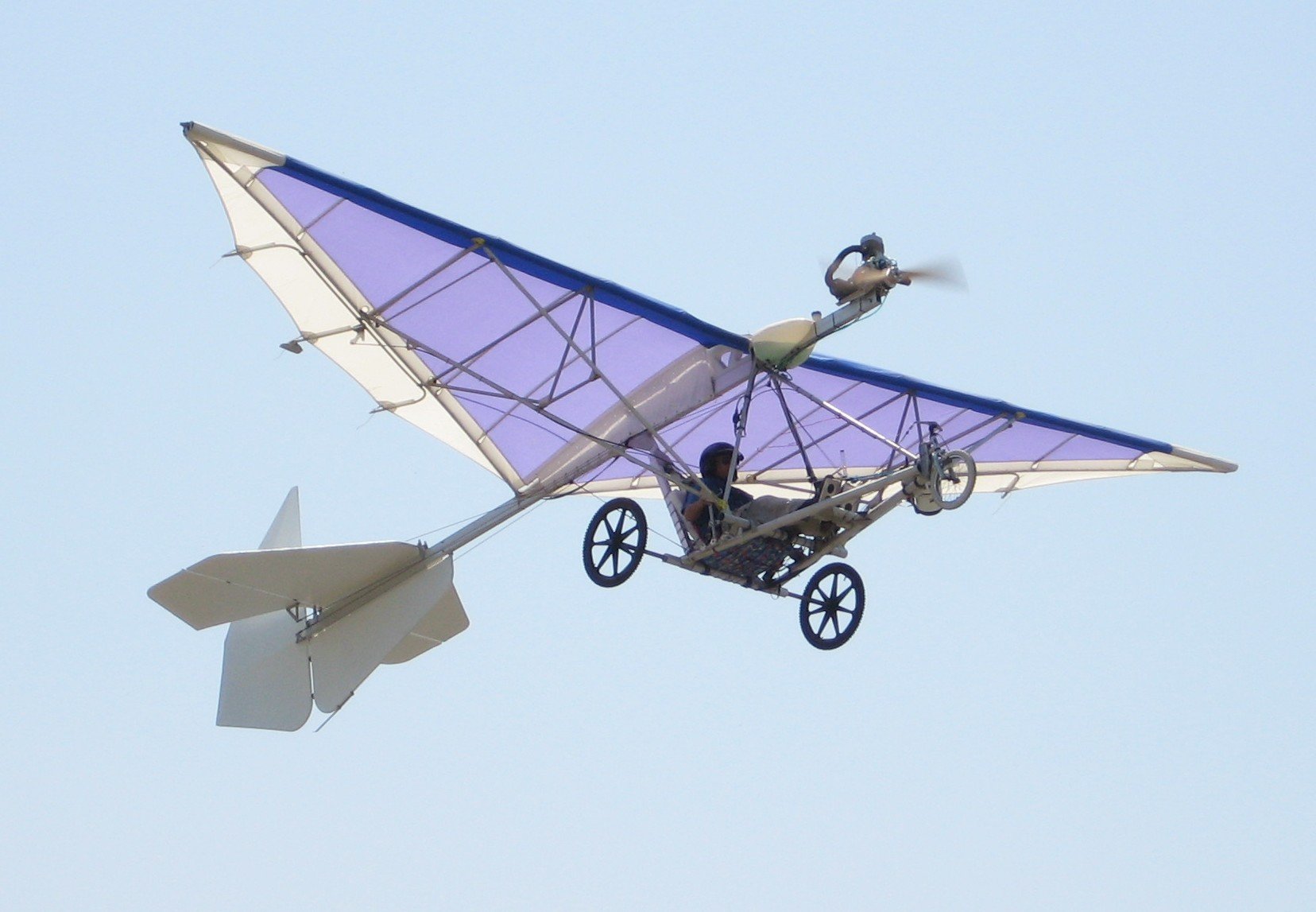
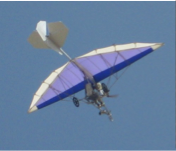
The Lightbeam is an ultralight (compliant with FAR Part 103) whose design was originally developed as a glider for the TV series Junkyard Wars, which required us to build an aircraft in only 2 days. The concepts I developed in order to create an aircraft with no jigging nor fixturing and with only restricted access to materials were too interesting to stop thinking about after the show's conclusion, so my dear friend Richard Riley and I set out to further explore those ideas, and produced this fun, lightweight, and simple-to-manufacture airplane.
Fun fact: there are only two custom-machined parts in the whole airplane, with the majority constructed of either lasercut or waterjet flat stock, or off-the-shelf components.
Lightbeam has been under (sporadic) development since 2005. The plane is extremely slow, carries no useful load except the pilot, and exists today solely so that I can have fun flying it.
↑ Back to topKolb Xtra
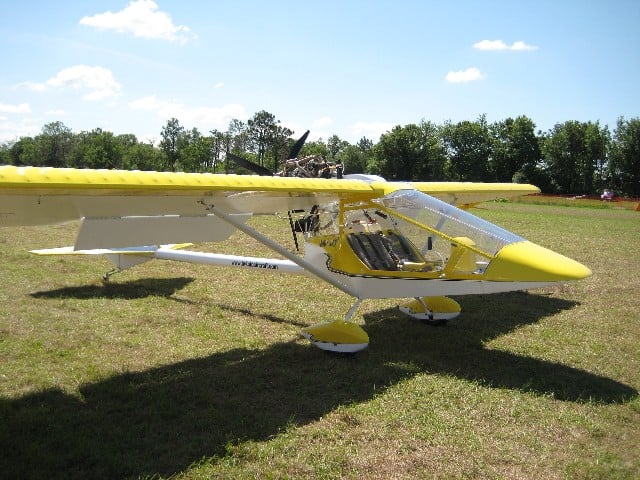
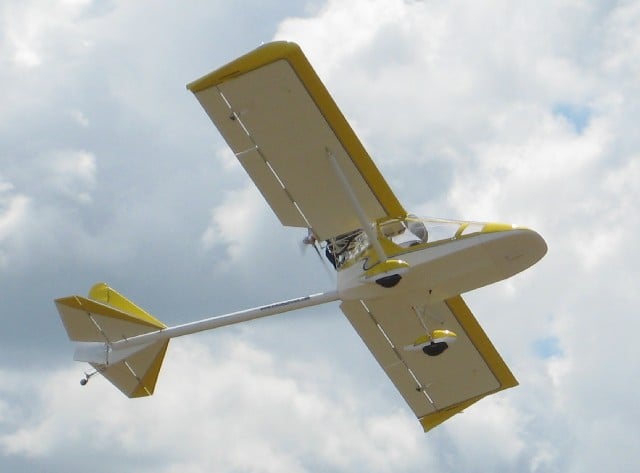
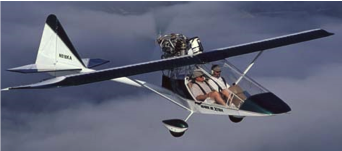
I worked with Kolb Aircraft to develop the Kolb Mark III Xtra from the earlier Kolb Mark III Classic. This involved an aerodynamic redesign of the fuselage, along with a few other aerodynamic improvements. The result is an aircraft with 20 knots of increased top speed, yet the same excellent slow-flight and STOL characteristics of the original. Kolb Xtra kits have been in production since 2000. Today numerous Xtras are flying and it is Kolb's most popular aircraft.
More at Kolb Aircraft
↑ Back to topEdison2 Very Light Car
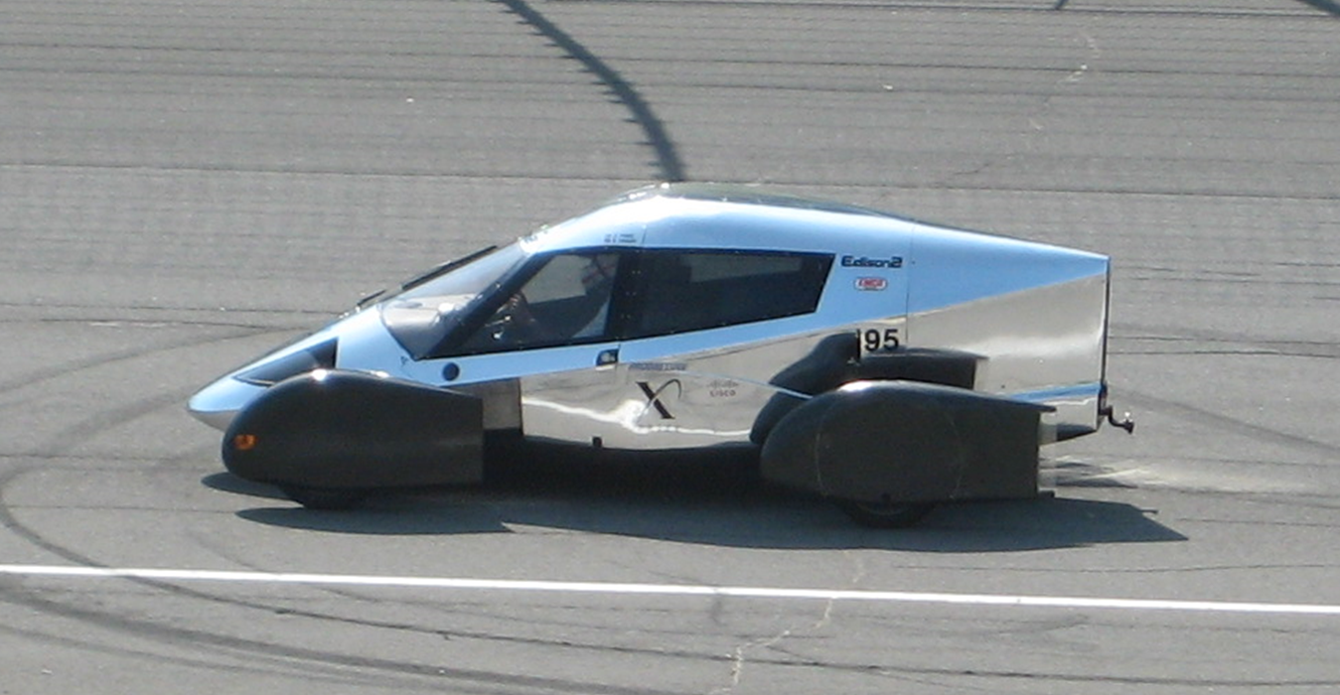
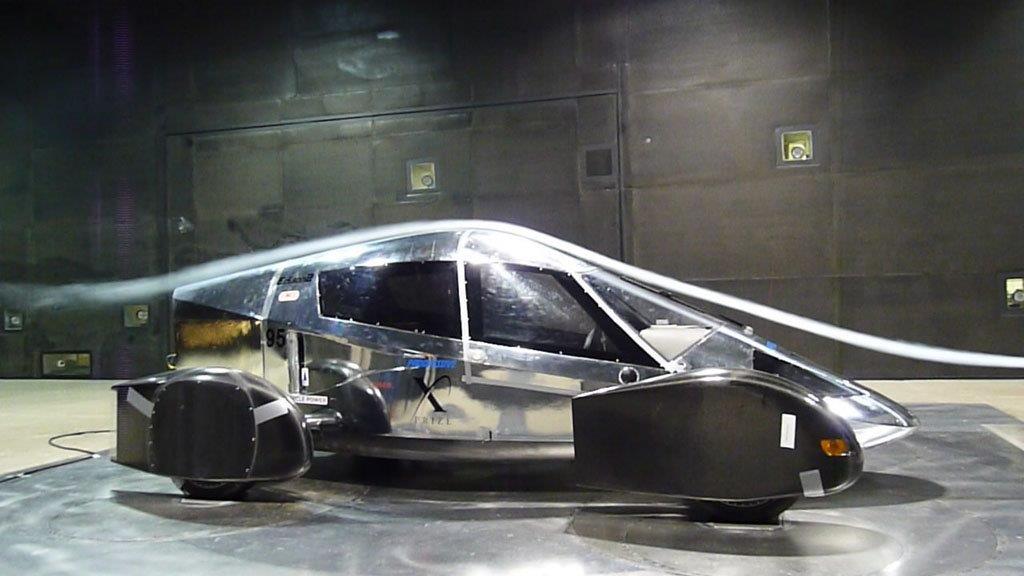
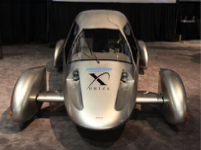
The Edison2 Very Light Car achieved 120 MPGe (Highway) on its way to winning the 2010 Progressive Insurance Automotive X Prize. Ron Mathis and I worked together to create this vehicle; I designed the aerodynamics and body configuration and Ron created the chassis and power train. The prize-winning vehicle is now on display at the Henry Ford Museum in Dearborn, Michigan.
↑ Back to topAtair EXO-wing
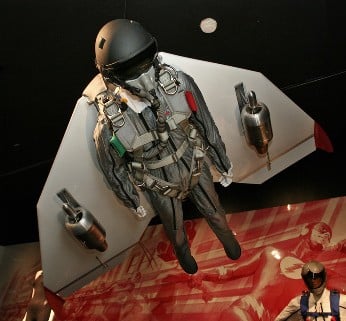
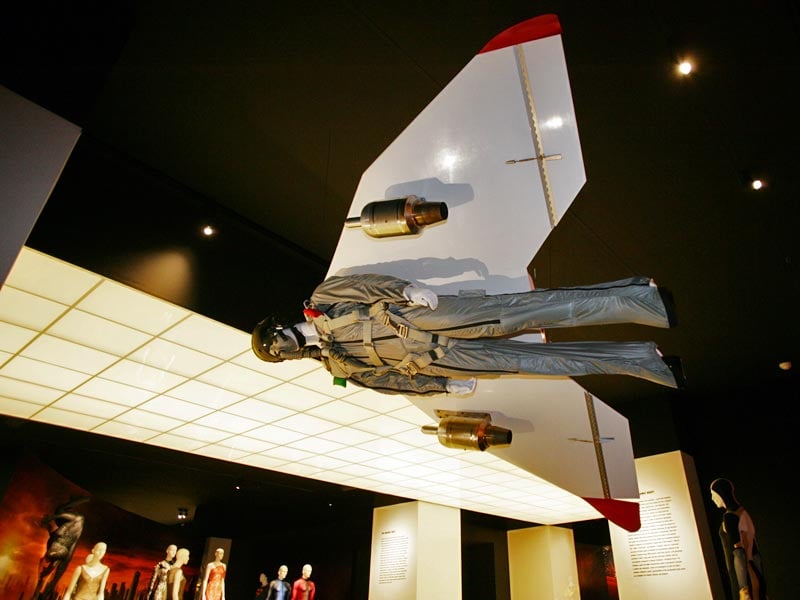
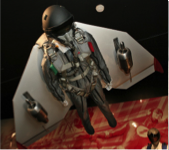
The Atair EXO-wing is a design for a jet-propelled wing system intended to allow a parachutist to fly a significant distance cross-country after a high-altitude exit from a transport airplane. My design features a compound-sweep wing to match a pair of pod-mounted jet engines.
In September 2008, a full-scale, powered model of the EXO-wing was successfully tested in the University of Maryland Glenn L. Martin Wind Tunnel.
The EXO-wing was displayed (as shown in the above photos) in the New York Metropolitan Museum of Art as part of a "Superhero Couture" exhibit.
↑ Back to topMy Favorite Airplanes
Ed Lesher's Teal
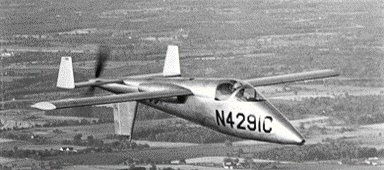
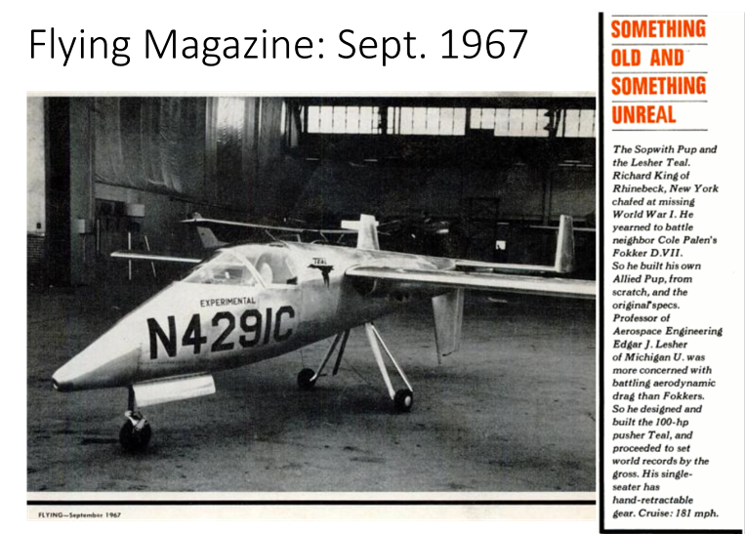
This airplane was built to break world records, and at one point held seven speed and distance records in its weight class.
The Flying Magazine description shown here made an enormous impression on me when I first saw it as an 11-year old.
Years later I had the great good fortune to attend the University of Michigan and study with Professor Lesher. The Teal and Professor Lesher's teachings are among the most important influences in my professional life. (Aviation Hall of Fame inductee)
John Dyke's JD-2 Delta
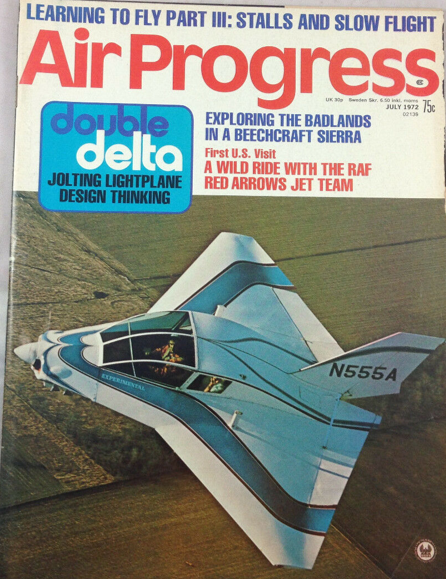
The Dyke Delta was an important influence on me as well. I first learned about the airplane in an article in the July, 1972 Air Progress Magazine. I was inspired by the thinking that went into the airplane, and the idea of an individual designer developing such an unconventional, innovative airplane.
The Delta's performance is still competitive with the most modern light airplanes flying today despite the fact that the design has been flying since the mid 1960's.
The JD-2 was a primary inspiration for my own FMX-4 Facetmobile.
Douglas DC-3
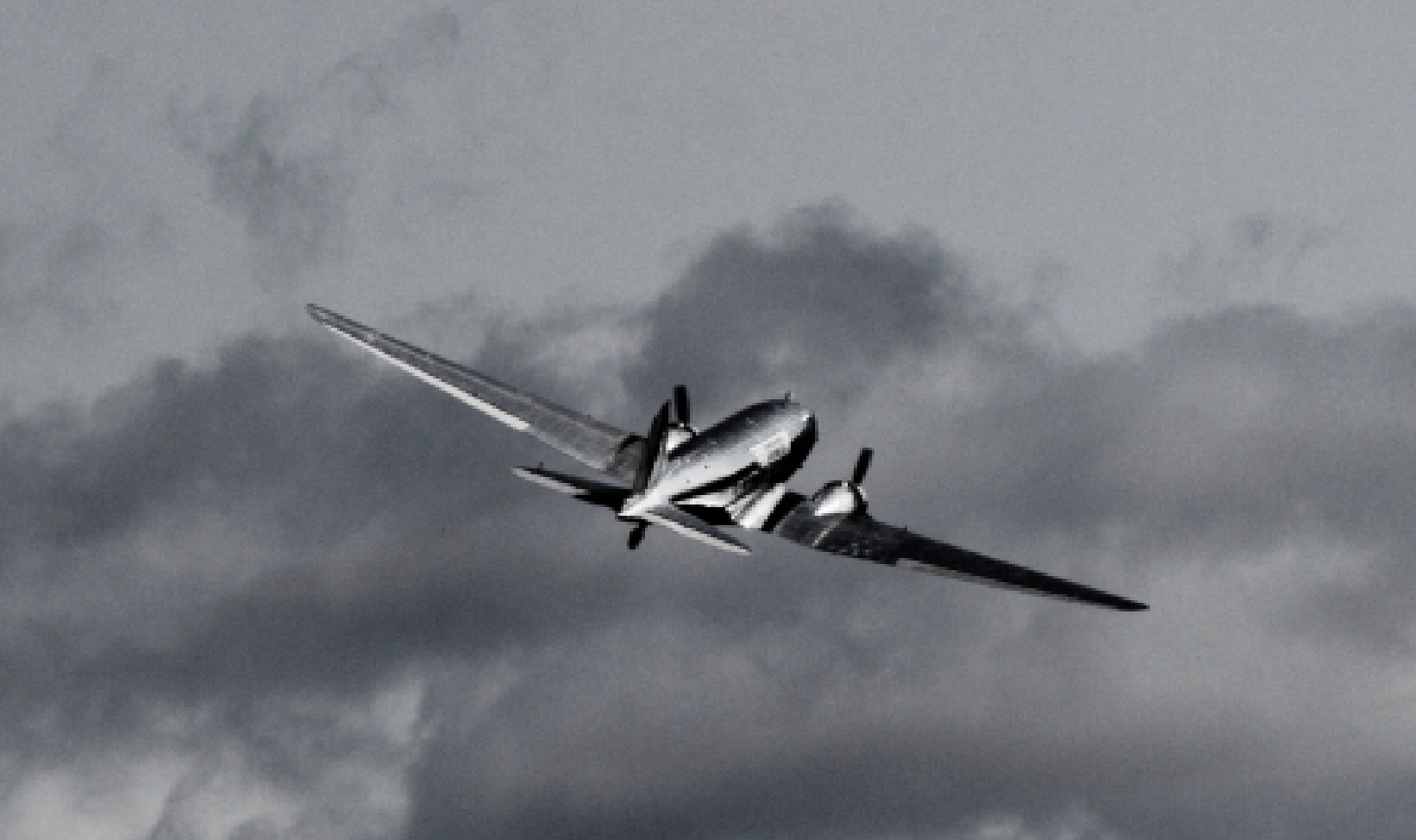
The DC-3 revolutionized air travel, and is still in service around the world over 50 years since the last one was built.
photo: Kathryn Wainfan
Avro Vulcan
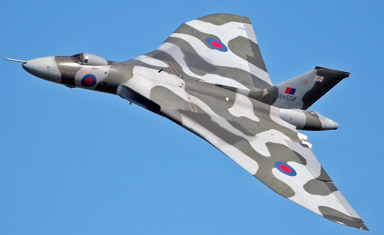
The most awesome of the British V-bombers. This tailless delta-wing intercontinental bomber was far ahead of its time, and remains one of the most remarkable large airplane designs ever.
Northrop YB-49
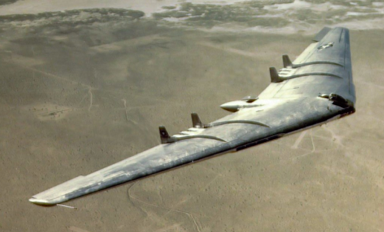
The original flying wing. This was the first realization of Jack Northrop's concept for the ideal airplane. The concepts pioneered on the YB-49 finally became operational 50 years later on the Northrop B-2.
Contact
Also on LinkedIn.